
HEALTH TOPICS
Best Probiotics and Vitamins for Kids
Posted by: Joana Haquin - B.Physio (Argentina)

Supporting Active and Growing Children
As a Physiotherapist and Physical Education Professional, I regularly work with children and teenagers who are balancing school, sports, social activities, and the physical demands of growth and development.
One of the most common observations I make when working with young people is that their bodies are constantly adapting. They are learning, moving, growing, recovering, and developing at a remarkable rate. Every one of these processes requires adequate nutrition, efficient digestion, quality recovery, and a well-functioning immune system.
Parents often focus on ensuring their children are eating enough healthy foods, which is incredibly important. However, health is not determined solely by what children eat. It also depends on how effectively their bodies digest, absorb, and utilize those nutrients.
While no supplement can replace a balanced diet, regular physical activity, quality sleep, and healthy lifestyle habits, targeted nutritional support may help fill nutritional gaps and support overall wellbeing during periods of growth and increased demand.
When I think about supporting children’s health from a preventative and holistic perspective, three key pillars consistently emerge:
- Immune resilience
- Gut health
- Nutrient availability
The Little Wellness Kit was designed around these three interconnected foundations.
Why Gut Health Matters More Than Most Parents Realize
Over the past decade, research has significantly expanded our understanding of the gut microbiome and its influence on overall health.
The digestive system is responsible for far more than simply processing food. It plays an important role in:
- Nutrient absorption
- Immune system development
- Regulation of inflammation
- Production of beneficial metabolites
- Communication between the gut and the brain
In fact, a large proportion of the body’s immune cells are associated with the gastrointestinal tract, highlighting the close relationship between digestive and immune health.
In my experience, many parents are surprised to learn that supporting gut health may influence multiple aspects of a child’s wellbeing, including digestion, energy levels, immune function, and overall resilience.
When the gut microbiome is balanced, children are often better equipped to absorb nutrients efficiently and maintain healthy physiological function.
The first thousand days – intestinal microbiology of early life: establishing a symbiosis
Probiotic Support: Building a Strong Foundation

One way to support digestive health is through the use of probiotics, which are beneficial microorganisms that contribute to a healthy microbial environment within the gastrointestinal tract.
The SAF Organics Probiotic Gummies were selected because they provide a practical and child-friendly source of probiotic support that can be easily incorporated into a daily routine. One of the challenges many parents face is consistency, and supplements that are easy for children to take are often more likely to become part of a sustainable wellness routine.
Current scientific literature suggests that probiotics may help support:
- Digestive regularity
- Healthy microbial diversity
- Nutrient absorption
- Immune system development
- Recovery of microbiome balance following illness or antibiotic use
While probiotics are not a substitute for healthy eating habits, they may complement a balanced diet and contribute to maintaining a healthy digestive environment.
As a clinician, I often view digestive health as one of the foundational systems that supports many other aspects of overall health and development.
Vitamin C: More Than Just an Immune Nutrient
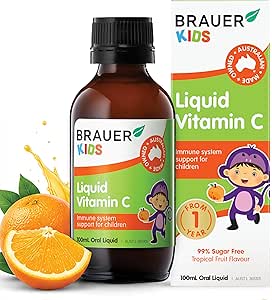
When parents think of immune support, Vitamin C is often one of the first nutrients that comes to mind. However, its role extends far beyond immune function alone.
- Normal immune system function
- Collagen synthesis
- Skin integrity
- Connective tissue health
- Antioxidant protection
- Wound healing
- Iron absorption
These functions are particularly important during childhood and adolescence, when growth and tissue development are occurring continuously.
The Brauer Baby & Kids Liquid Vitamin C was chosen because it provides a convenient, age-appropriate source of this essential nutrient in an easy-to-administer format. From a practical perspective, liquid formulations can often be easier for younger children who may struggle with tablets or capsules.
For physically active children, adequate Vitamin C intake supports not only immune health but also many of the structural and recovery processes that occur throughout the body.
Supporting the Immune System Through Nutrition
Parents frequently ask how they can best support their children’s immune health, particularly during seasonal changes, school terms, or periods of increased physical activity.
One of the most important concepts I discuss is that immune health is not about “boosting” the immune system. Rather, it is about supporting normal immune function through adequate nutrition, recovery, sleep, physical activity, and healthy lifestyle habits.
The Herbs of Gold Children’s Immune Care formula was selected because it combines nutrients and botanicals traditionally used to support healthy immune function in children. Rather than focusing on a single ingredient, it provides a broader approach to supporting immune resilience as part of a comprehensive wellness strategy.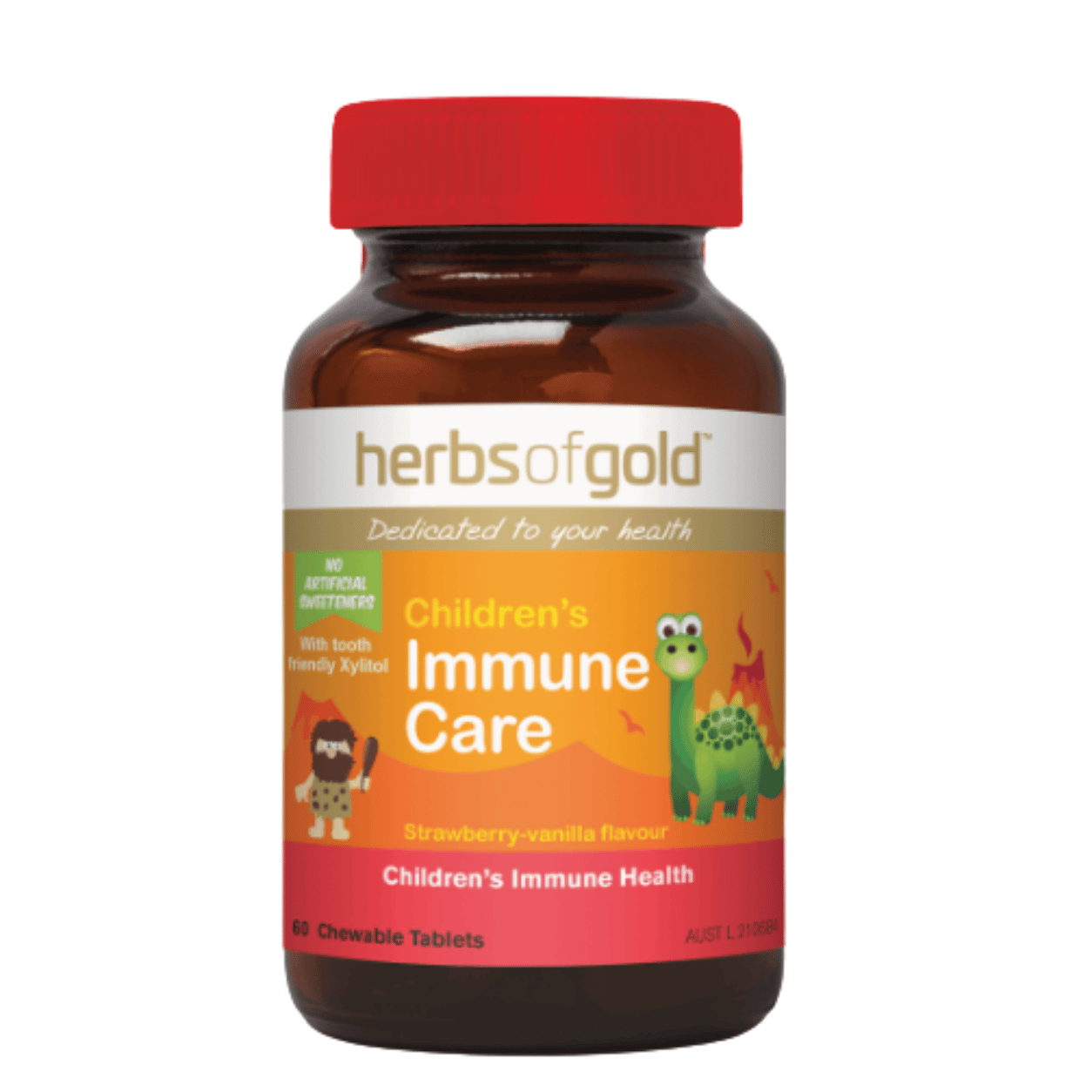
This type of support may be particularly relevant during:
- Seasonal transitions
- Increased exposure to school and social environments
- Periods of higher physical demand
- Recovery from common illnesses
A well-supported immune system is better equipped to respond appropriately to everyday challenges while maintaining balance within the body.
Why These Three Areas Work Together
One of the most important lessons we continue to learn from health science is that body systems do not operate independently.
The digestive system influences nutrient absorption.
Nutrient status influences immune function.
Immune function influences recovery.
Recovery influences growth, development, and physical performance.
Because of these connections, addressing only one aspect of health often provides an incomplete picture.
When working with children and adolescents, I encourage parents to focus on the bigger picture rather than searching for a single solution. Supporting digestion, ensuring adequate nutrient intake, encouraging regular physical activity, promoting healthy sleep habits, and maintaining immune health all contribute to a child’s overall wellbeing.

Conclusion
In my work with children and teenagers, I have learned that long-term health is rarely determined by one factor alone.
Strong immunity depends on adequate nutrition. Adequate nutrition depends on healthy digestion and nutrient absorption. Healthy digestion depends on a balanced gut environment.
These systems work together continuously to support growth, learning, recovery, physical activity, and overall development.
The combination of probiotic support, Vitamin C, and targeted immune-support nutrients aligns with current understanding of pediatric wellness by addressing several foundational aspects of health simultaneously.
Most importantly, these nutritional strategies should always be viewed as complementary to the fundamentals that matter most: a nutritious diet, regular physical activity, quality sleep, hydration, and healthy daily habits.
When these foundations are supported together, children are better positioned to thrive, adapt, recover, and enjoy healthy development throughout every stage of childhood and adolescence.

This article is intended for educational purposes only and should not replace individual medical advice. Parents should consult a qualified healthcare professional before introducing any new supplement into their child’s routine.
REFERENCES:
Role of the microbiota in immunity and inflammation.
Carr, A. C., & Maggini, S. (2017). Vitamin C and immune function. Nutrients, 9(11), 1211.
Subscribe to Gr8Health
Sign up to get 5% off your first order, exclusive access to our special offers, new arrivals and more.